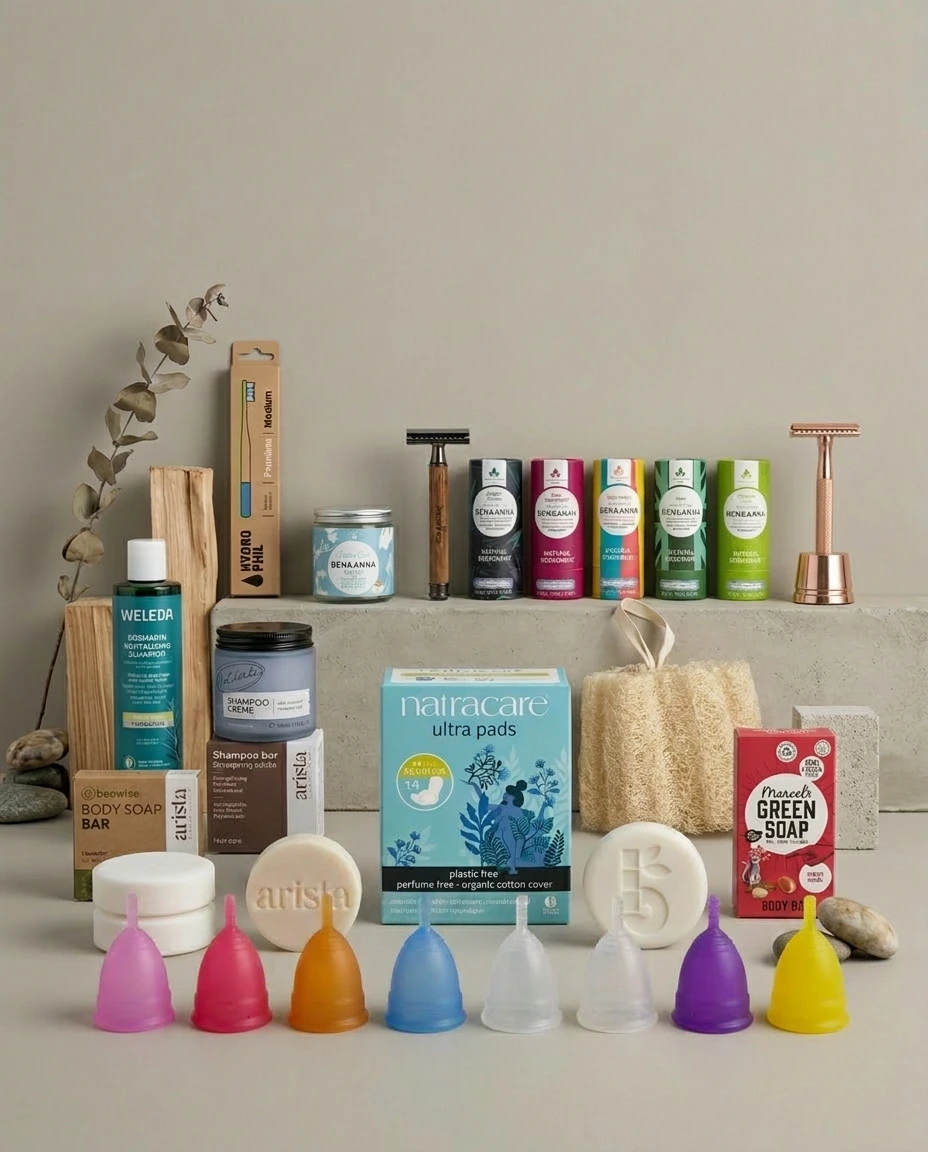
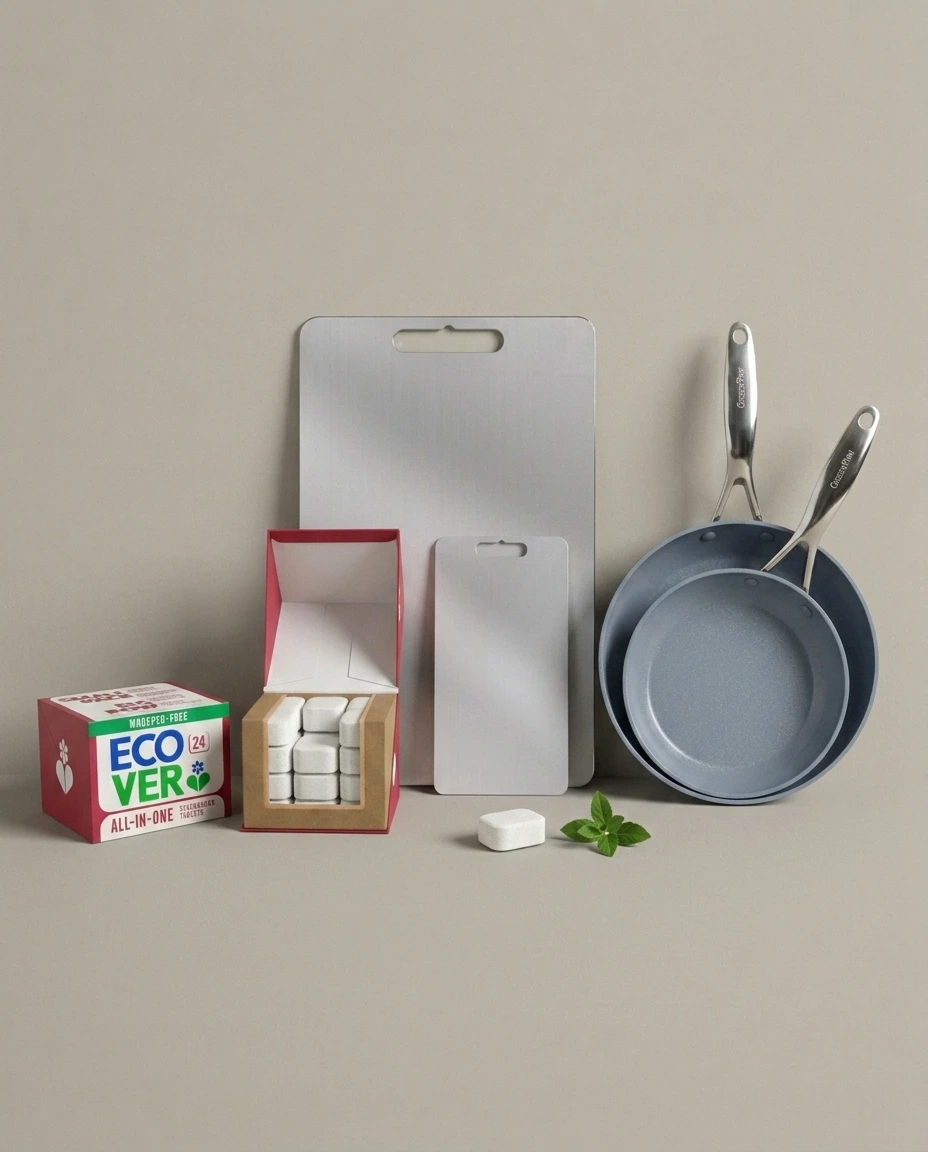
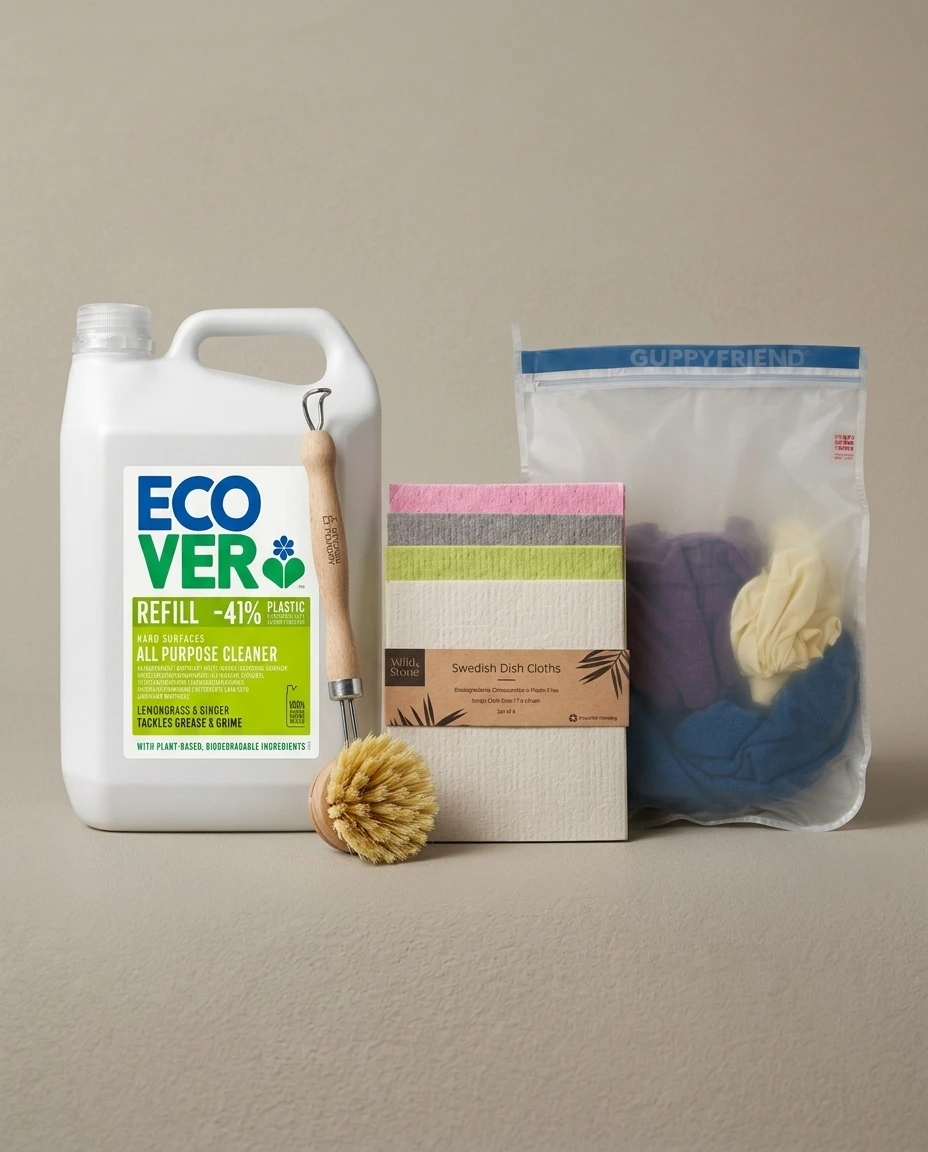
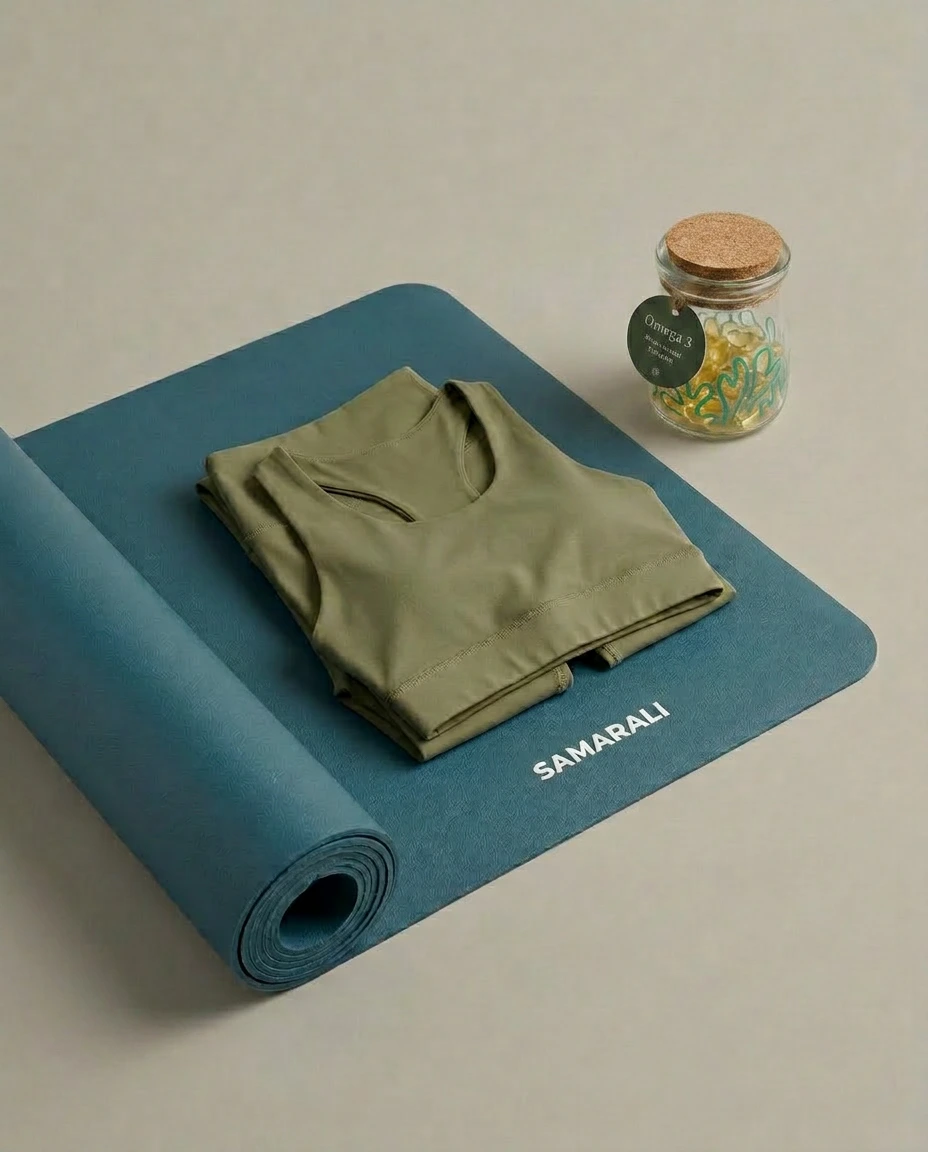
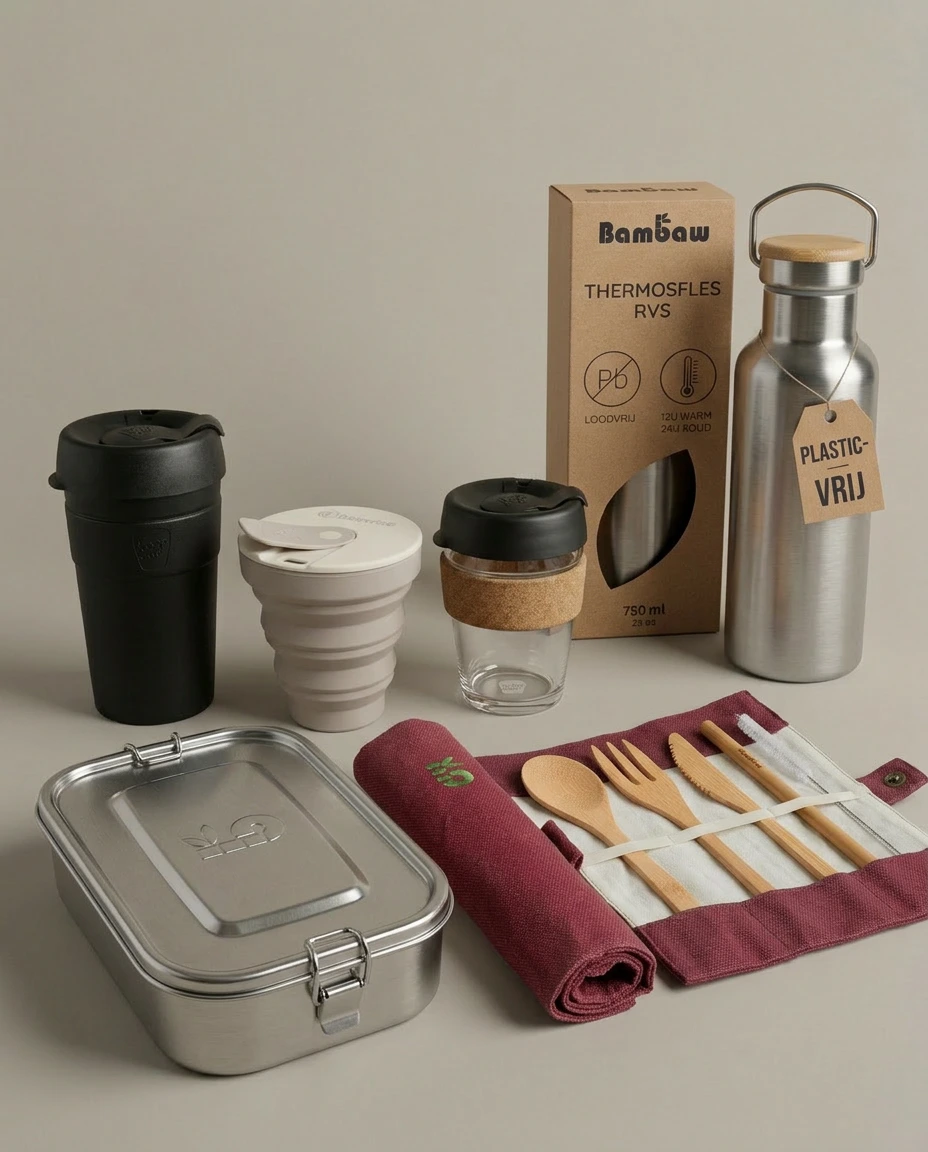
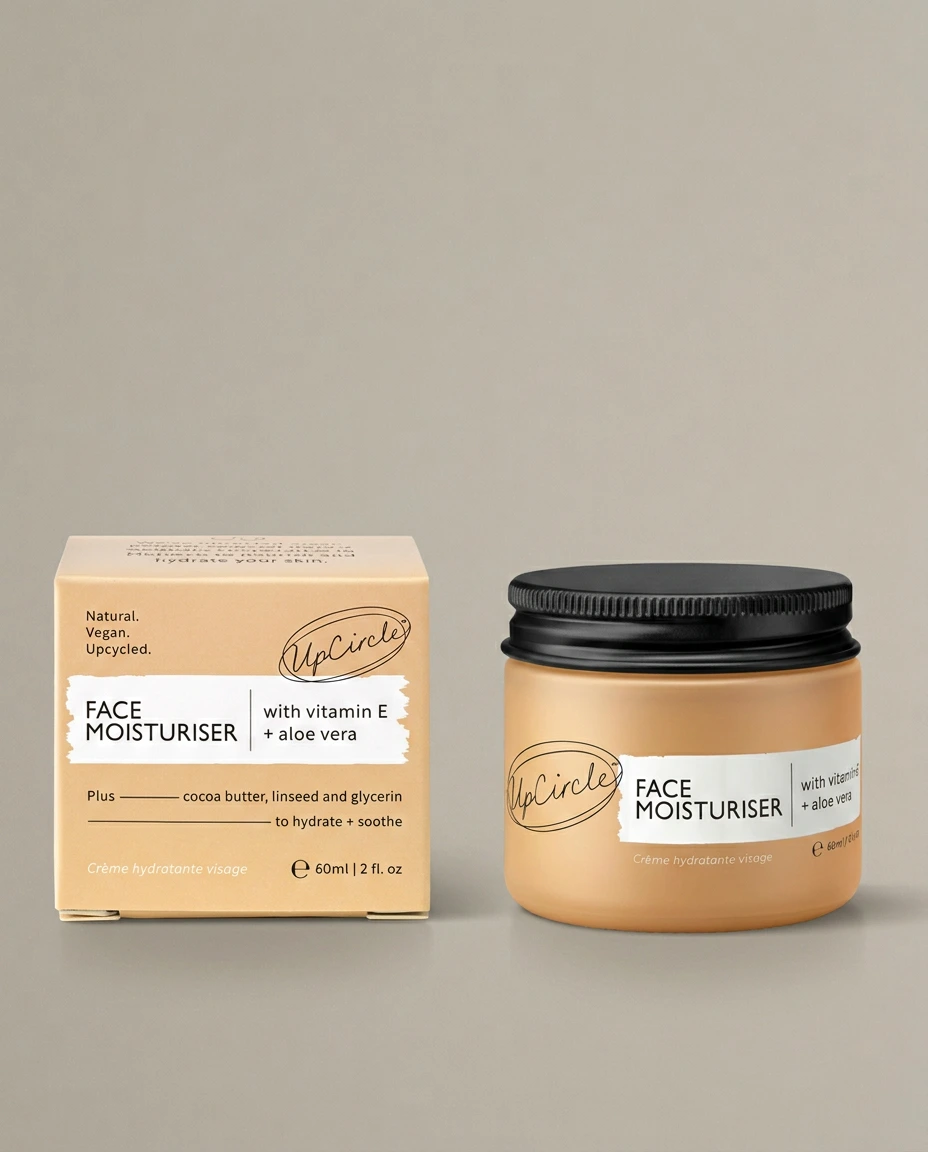
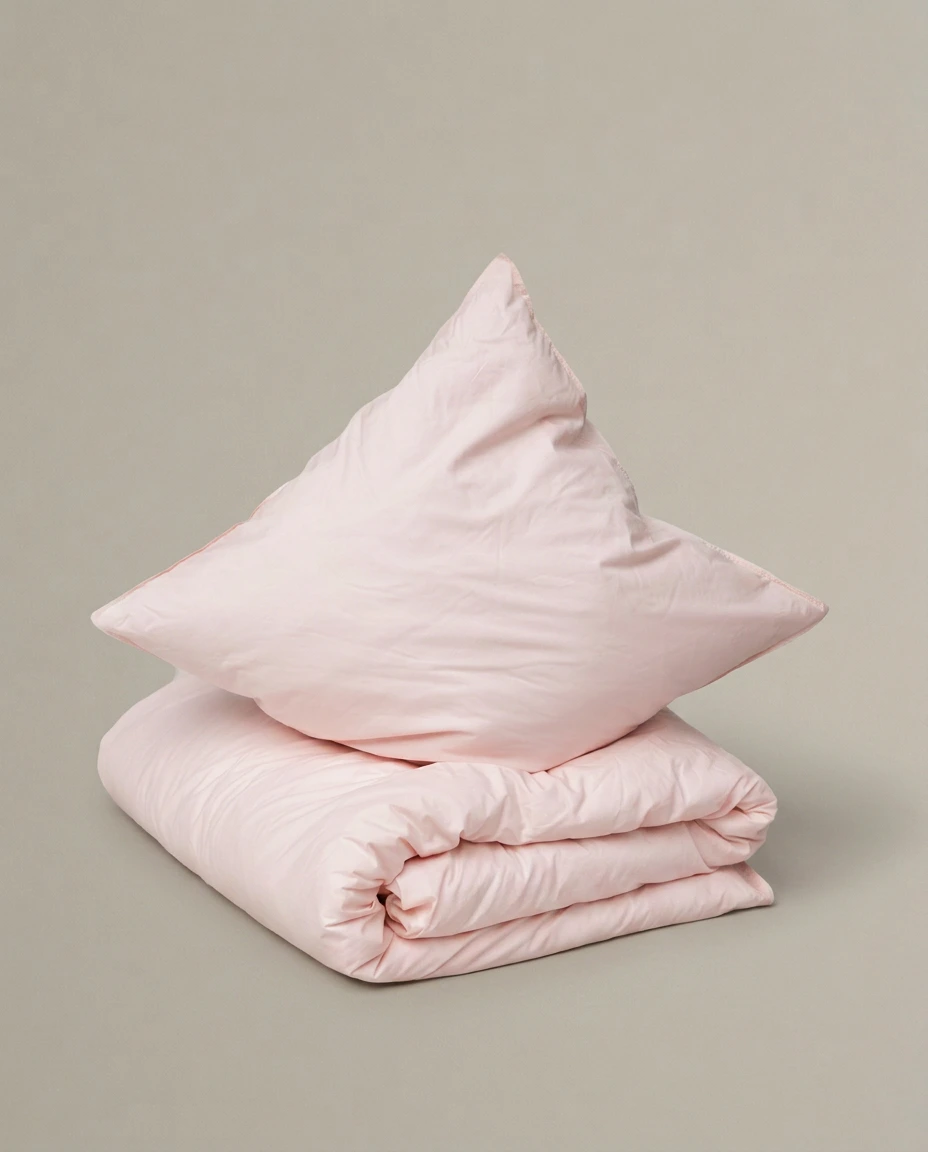
What to Expect From Our Eco-Friendly Product Pages
The categories above are where to start. Each one takes you to a dedicated page covering the best options we've found in that space — what they are, why they're worth considering, and what the caveats are. Think of each page as a guide, which sometimes identifies different levels to make the switch easier.
We don't recommend products we wouldn't use ourselves, and we don't recommend something just because there's an affiliate deal attached. Browse by category, or scroll down if you want to understand how we approach this before you click anything.
Why We Think Sustainable Products Matter
Sustainable products aren't a trend. They're a response to what conventional products have been doing quietly for decades. Here's what switching actually changes:
- Your health. Most mainstream personal care, cleaning, and kitchen products contain synthetic chemicals that accumulate in your body and home over time. Eco-friendly alternatives are formulated without unnecessary additives.
- Your home environment. Non-toxic living isn't just about what goes in your body. It's about what you breathe, touch, and cook with every day. Small switches compound.
- The people making your products. Ethical sourcing, fair wages, and safe working conditions don't happen by accident. They happen because some brands choose to prioritise them and others don't. Buying from the ones who do is a vote.
- Future generations. The materials that end up in landfills, waterways, and soil today don't disappear. Choosing biodegradable, reusable, or responsibly produced alternatives reduces what gets left behind.
- Corporate accountability. Large companies causing environmental and social damage do so because it's been profitable to do so. Redirecting your spending, even partially, removes that profit. It's not symbolic. It's economic pressure.
- Your footprint over time. One swap doesn't change much. Ten swaps, maintained over years, do. Sustainable living isn't a single purchase decision. It's a series of better defaults.
How We Decide What's Eco-Friendly
We look at ingredients, materials, certifications, production practices, packaging, and supply chain transparency. We cross-reference claims against third-party sources where possible and flag greenwashing when we see it. The full breakdown of our criteria is on our How We Assess Products page.
Short version: if a brand is vague about what's in their product or how it's made, that tells us something.
A Note on Links and Affiliates
We use Amazon affiliate links. We know Amazon isn't a sustainability icon, and we're saying that clearly, upfront.
We use it because it protects you from scams, keeps prices competitive, and means you can add an eco dishwashing bar to an order you're already making, without paying separate shipping for one item. Buying sustainably shouldn't feel like a logistical puzzle. We pick our battles.
Where a brand's own shop or a better alternative exists, we link there first.
Not all links on this site are affiliate links. All of them are products we genuinely believe in. Our goal isn't to maximise clicks. It's to help you find what's actually better.