


Sustainable Sunglasses: Ethically Made & Durable
The honest guide to sustainable sunglasses: what the materials actually mean, which brands are credible, and where to find them. Visit Shop Like You Give A Damn (SLYGAD) to discover durable sunglasses from ethical brands.
🌿 Three material approaches — wood/bio-acetate (biodegradable), recycled plastic (diverts waste), bio-acetate (plant-based). Each is explained honestly below
🚫 No virgin petroleum-derived acetate or plastic — all brands on SLYGAD’s sunglasses section use recycled or responsibly sourced materials
☀️ UV400 polarised lenses — all featured brands carry UV400 Category 3 protection, blocking 99–100% of UVA/UVB rays
🐄 100% vegan — SLYGAD platform requirement across all listed brands
⚠️ The honest caveat on lenses — recycled plastic lenses do not yet exist at commercial scale; all sunglasses use polycarbonate or glass lenses regardless of frame material
💶 From €39.95 — accessible entry point through to €127.50 for premium wood frames
The Problem With Conventional Sunglasses
Conventional sunglasses frames are almost universally made from cellulose acetate, a material produced from wood pulp or cotton seeds reacted with acids and plasticised with phthalates, a class of petroleum-derived chemicals with known endocrine-disrupting properties. The resulting material is hard, flexible, easy to shape, and non-biodegradable. When a pair is lost, scratched beyond use, or simply replaced, it enters the waste stream and persists for hundreds of years.
The eyewear industry produces approximately 4 billion pairs of glasses annually, and the vast majority end up in landfills. Unlike some plastic categories, sunglasses are a composite of multiple materials: plastic, metal, paint, and adhesive. This makes them almost impossible to recycle through standard municipal systems. Even brands that call themselves sustainable often use conventional acetate for the frame body while offsetting with charitable contributions or paper packaging.
There is a harder question beneath the surface of this category: is a cheap pair of sunglasses from a fast-fashion brand worse than a more expensive pair from a “sustainable” brand that still uses non-biodegradable materials? The answer depends on how long the more expensive pair is worn and cared for. Durability is the most meaningful sustainability variable in this category. A well-made pair of sunglasses worn for ten years has a smaller footprint than two pairs of “sustainable” sunglasses replaced every five years.
Sustainable Sunglasses Materials
Bio-Acetate
Bio-acetate replaces the petroleum-derived plasticisers in conventional acetate with plant-based alternatives, typically derived from cotton seeds or wood pulp, combined with bio-based plasticisers such as triethyl citrate. The result is a material with the same visual weight, flexibility, and finish as conventional acetate, but with a substantially lower petroleum content.
The honest numbers: bio-acetate is approximately 60–68% bio-based by content. It is not 100% plant-derived. The remaining component is still chemically processed. It is, however, genuinely more biodegradable than conventional acetate. Estimates range from 1–10 years in landfill versus decades to centuries for conventional plastic. In industrial composting conditions, it breaks down in roughly 115 days.
The practical benefit: no phthalates, lower fossil fuel dependency, and meaningful biodegradability compared to conventional acetate, without compromising on aesthetics or durability.
FSC-Certified Wood
Wood frames sourced from FSC-certified forests (Forest Stewardship Council) come from responsibly managed land where replanting, biodiversity, and community impact are independently audited. Wood is naturally biodegradable, lightweight, and produces genuinely unique frames. No two pieces of wood grain are identical, which means no two frames look exactly alike.
The practical caveats: wood requires more care than synthetic frames. It should not be submerged in water or left in prolonged heat. A light application of natural wood oil occasionally extends the life and appearance of the frame. Modern wood sunglasses use reinforced metal hinges precisely to address the historical weakness of wood-on-wood hinge joints.
Recycled Plastic (rPET, rHDPE)
Frames made from post-consumer recycled plastic, typically PET bottles or HDPE household containers, divert existing waste from landfill and reduce the demand for virgin plastic production. Recycled plastic is estimated to produce roughly 79% fewer carbon emissions than virgin plastic production, according to lifecycle assessment data.
The honest caveat: recycled plastic is still plastic. It does not biodegrade. At the end of life, it faces the same composite-material recycling problem as virgin plastic sunglasses. What it provides is a reduced-extraction benefit at the production stage, not a circular end-of-life solution. A recycled plastic frame is a meaningful improvement over a virgin plastic frame; it is not a closed loop.
The Lens Situation — Said Clearly
Recycled plastic lenses do not yet exist at commercial scale. Every pair of sunglasses, regardless of frame material or brand sustainability positioning, uses polycarbonate or glass lenses produced from virgin materials. This is the honest caveat the sustainable sunglasses industry rarely leads with.
What brands can control around lenses: polycarbonate (lighter, more impact-resistant) versus glass (heavier, optically superior, infinitely recyclable), and whether lenses are replaceable — which extends the frame’s usable life significantly when lenses scratch.
UV400 Category 3 is the standard you need. It blocks 99–100% of UVA and UVB radiation. Dark-tinted lenses without UV400 certification are worse than no sunglasses — they dilate your pupils in reduced light while providing no protection, increasing UV penetration into the eye. All brands featured on this page carry UV400 certification. When shopping elsewhere, the FDA advises looking specifically for UV400 or “100% UV protection” labelling, not lens darkness.
The Sustainable Sunglasses Brands on Shop Like You Give A Damn
SLYGAD stocks a lot of sunglasses brands, but two actually earn their place on this list: Joplins and Parafina. Both back up their sustainability claims with real materials and real transparency, not just a green label slapped on standard plastic frames. Here’s what makes each one worth your money.
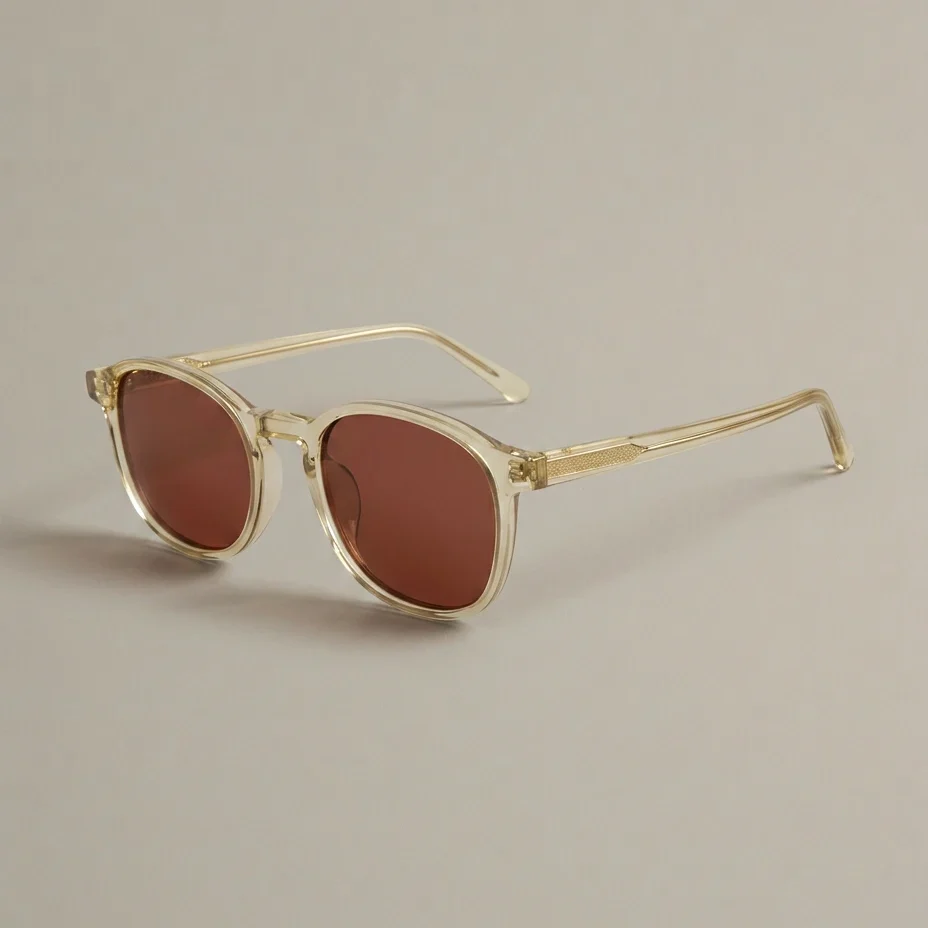
Joplins — Wood and Bio-Acetate | Most Distinctive, Most Certifiable
FSC-certified wood frames, bio-acetate, UV400 polarised 9-layer lenses. 2-year warranty. For every order: 1 tree planted + 5 plastic bottles removed from the ocean.
Joplins was founded in 2016 to replace petroleum-based plastic sunglasses with frames made from certified natural and bio-based materials. Their collection spans two material categories: solid wood frames (hand-finished, FSC-certified reforested timber, lightweight) and bio-acetate frames (FSC wood pulp combined with plant-based plasticisers, no phthalates, more colour options and shapes than the wood line).
Their lenses are one of the most considered in this price range: a 9-layer construction comprising two scratch-resistant layers, two shock-resistant layers, four UV400 protection layers, and one polarised layer, CE and FDA-certified. Polarisation is not just a comfort feature. It reduces glare from horizontal reflective surfaces (road, water, snow), which reduces eye strain and improves visual clarity in high-light conditions.
The 2-year warranty is meaningful: it signals a brand confident that the product will outlast the guarantee period, which is more informative about quality than most marketing claims.
With every purchase, Joplins plants one tree in reforestation projects in Africa (Ethiopia, Uganda, Kenya, Mozambique) and removes five plastic bottles from the ocean through certified ocean cleanup partnerships in Brazil and Indonesia. These are specific, third-party partnership commitments, not vague pledges.
Style range: Classic wayfarers, rounds, rectangles, retro-inspired shapes. Models include Stinson (minimalist wood, unisex), Shiva (round bio-acetate, various colours), Woodrow (rectangular bio-acetate, unisex), Ludwig (small round, cotton and wood). Unisex across most shapes, categories split by face fit rather than gender.
Pricing on SLYGAD: from ~€85 (wood) to ~€127.50 (premium models)
The honest note on fit: Joplins frames generally run wide. Most models are 135mm+ total width. If you have a narrow face (under 130mm), check measurements on individual models before buying. Joplins’ FAQ acknowledges this directly.
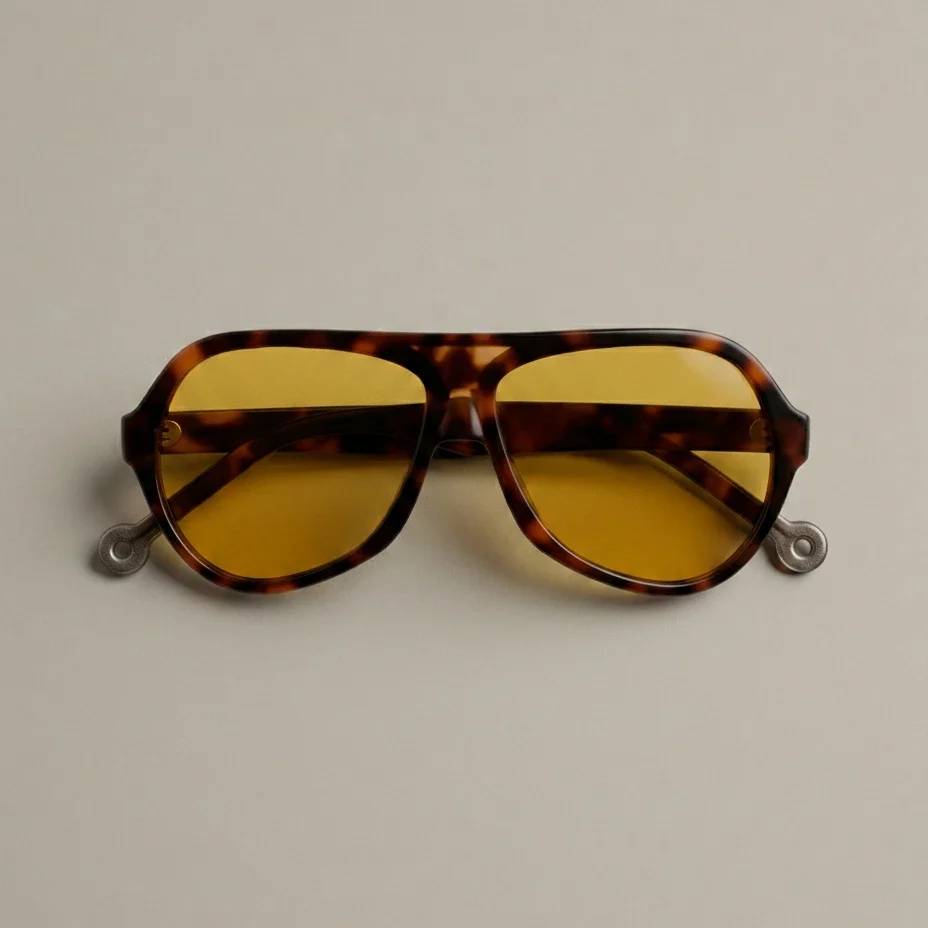
Parafina — Recycled Everything | The Most Innovative Material Range
B Corp certified. Made in Madrid. Frames from recycled PET bottles, recycled HDPE, cork, recycled tyre rubber, recycled aluminium cans, coffee grounds. 5% of sales to education in Paraguay.
Parafina is a Madrid-based B Corp with what is genuinely the most diverse material range in sustainable eyewear: they make frames from recycled PET plastic bottles, recycled HDPE (shampoo and detergent containers), recycled cork from wine bottle stoppers, rubber from the world’s largest tyre landfill in Kuwait, recycled aluminium from food and drink cans, and coffee grounds. The full material list is published on their website with explanations of source and process for each, a level of transparency that is not common in this category.
Their collections are named after the material: Océano (recycled HDPE), Isla (recycled PET), the Cork collection, the Rubber collection, the Coffee collection, the Aluminium collection. Each has UV400 Category 3 polarised polycarbonate lenses, certified by Intertek to meet European standards.
The B Corp certification audits Parafina across environmental performance, worker conditions, community impact, and governance, not just materials. Their social project in Paraguay invests 5% of all sales into primary education. Their factories carry BSCI labour certification.
The honest caveat on end-of-life: some Parafina models combine multiple materials in a single frame, recycled cork bonded to recycled HDPE, for example. This combination creates a visually distinctive product but makes end-of-life recycling more difficult, since the materials cannot be easily separated. Single-material models (pure rPET, pure bamboo temples with separate rHDPE front) are easier to dispose of responsibly. The Parafina website acknowledges this trade-off directly, which is the right thing to do.
Lenses remain polycarbonate — as is the case for every brand on this page and in this category globally.
Pricing on SLYGAD: typically €40–70, making Parafina the most accessible brand across the SLYGAD sunglasses section
Shop Parafina Women’s Sunglasses →
Shop Parafina Men’s Sunglasses →
Using Sustainable Sunglasses
The Lens Replacement Question: The Most Underrated Sustainability Feature
One feature worth asking about for any sunglasses brand: can the lenses be replaced?
A scratched frame is still functional. A scratched lens renders the glasses unusable. Most conventional sunglasses are designed as disposable units, with the frame and lens as a single non-separable product that gets replaced together. Some sustainable brands are beginning to design for lens replaceability, which dramatically extends the frame’s useful life.
This is worth checking before buying: if a brand offers replacement lenses for their models, the per-use environmental cost of the frame drops substantially over time.
How to Care for Sustainable Sunglasses and Make Them Last
The most meaningful sustainability decision in this category is how long you keep the pair you buy. Here is what extends lifespan:
Wood frames:
- Wipe with a microfiber cloth, not paper or abrasive fabric
- Apply a small amount of natural wood oil once every few months to maintain the frame’s appearance and prevent drying
- Store in the included case — not loose in a bag where they can be scratched by keys, phones, or other objects
- Keep away from prolonged heat (car dashboards in direct sun will warp both wood and polycarbonate lenses)
- Avoid extended water exposure — rinse salt or chlorine off quickly if exposed, then dry immediately
Bio-acetate and recycled plastic frames:
- Same lens care (microfiber cloth, case storage)
- Avoid heat — polycarbonate lenses deform at high temperatures
- Bio-acetate is more dimensionally stable than conventional acetate but still benefits from avoiding extreme heat
For all frames:
- Hinges are the primary failure point on sustainable sunglasses. If a hinge starts to loosen, have it tightened by an optician rather than waiting for it to fail. Most opticians will do this for free or a nominal charge.
- If the frame has a warranty (Joplins: 2 years; Parafina: check model-specific terms), use it — a warranty claim costs the brand money and creates an incentive to build things that outlast the guarantee.
Our Verdict
We promote sustainable fashion because it matters, but sustainability isn’t a reason to buy more. It’s a reason to buy better, and only when you need to. With that in mind, here’s our verdict on sustainable sunglasses.
The sunglasses category has two honest truths that most brands in this space avoid saying simultaneously. First, sustainable frame materials such as bio-acetate, FSC-certified wood, and recycled plastic represent a meaningful improvement over virgin petroleum-based acetate, both in the materials used and in biodegradability at the end of life. Second, no current sustainable sunglasses brand has solved the lens problem, and most frames are still composite-material products that cannot be easily recycled when they finally wear out.
What that means practically: buy one well-made pair that you genuinely like and will wear for years, rather than two adequate pairs that feel like a compromise. A Joplins wood frame with a 2-year warranty, cared for properly, can last a decade. Over that period, the per-use environmental cost per wear is low by any comparison.
The two brands on this page represent distinct positions: Joplins for the most mature natural material offer and the strongest warranty; Parafina for the widest material innovation and B Corp credentials at accessible prices.
All carry UV400 polarised lenses. All are fully vegan. All are verified by SLYGAD’s 32-point criteria. The rest is personal preference about materials, style, and how much you want to spend.
Shop Sustainable Sunglasses
Green Goods Gallery earns a small commission if you purchase through these links, at no extra cost to you. The slow fashion principle applies here too: buy one well-made pair and keep it.